Guide

How to Apply for the IRA 25C Tax Credit in 2026

By Ryan Mitchell May 03, 2026 6 min read
How to Apply for the IRA 25C Tax Credit in 2026 I threw away the receipt for my smart thermostat. Not on purpose. I just cleaned out my desk. The receipt was in the shred pile. I realized my mistake two weeks later, when I was doing my taxes. The 25C tax credit was worth $60. I lost it. I have a master’s degree in engineering. I audit homes for a living. I still screwed up. The Smart Thermostat Savings Estimator can help you calculate your credit before you buy.
🌡️
Smart Thermostat Savings Estimator
Enter your thermostat settings and home size — see estimated savings from programmed setbacks.
All data stays in your browser — we never see it.
What you need to know about the IRA 25C tax credit. It is not complicated, but it is easy to mess up. The credit covers 30% of the cost of energy-efficient home improvements. In 2026, the rules are the same as 2025. The credit is non-refundable, but it carries forward. The annual cap is $1,200 for most items, with a separate $2,000 cap for heat pumps and heat pump water heaters. The Electric Bill Estimator can help you see how much these upgrades will save you.
💰
Electric Bill Estimator
Enter your zip code, home size, and usage — see estimated monthly and seasonal costs.
All data stays in your browser — we never see it.
The Home Energy Score Calculator can help you prioritize which upgrades to claim first.
🏠
Home Energy Score Calculator
Answer 20 questions about your home — get a 1-10 score and prioritized upgrade list.
All data stays in your browser — we never see it.

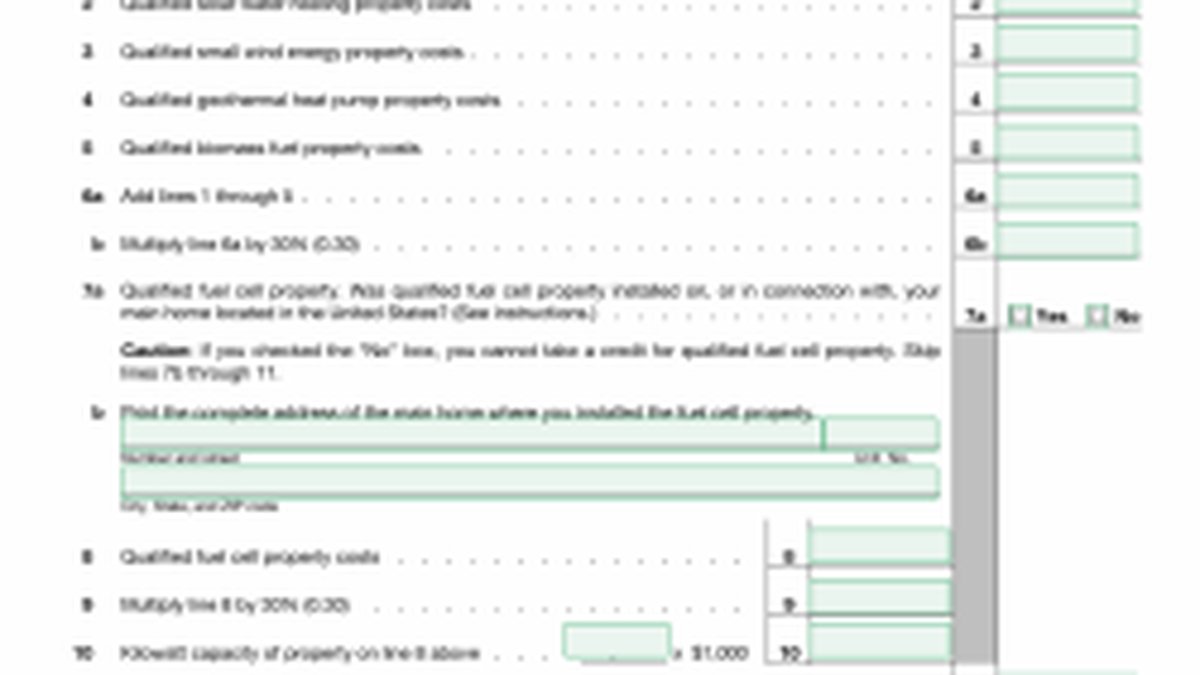
This is the list of eligible products for 2026. Smart thermostats: 30% of the cost, up to $150. My Ecobee cost $200, so I could have claimed $60. I did not. I will next time. Insulation: 30% of the cost, no dollar cap. I added R19 to my attic for $700. That would be a $210 credit. I went ahead and not know insulation qualified. I learned after. Windows and doors: 30% of the cost, up to $600 total. ENERGY STAR most efficient windows qualify. They are expensive. The payback is long. But if you need new windows anyway, take the credit. Air sealing: 30% of the cost, no dollar cap. This includes caulk, weatherstripping, foam sealant. I spent $50 on weatherstripping. That would be a $15 credit. Not worth the paperwork, but it adds up. HVAC: 30% of the cost, up to $600. This includes central AC, air source heat pumps, and furnaces. Heat pumps have a separate $2,000 cap. My neighbor replaced his AC for $6,000. He claimed $600. His out-of-pocket was $5,400. Heat pump water heater: 30% of the cost, up to $2,000. A new heat pump water heater costs $2,500 installed. The credit would be $750. He would pay $1,750. The energy savings pay back in 3 years. Biomass stoves and boilers: 30% of the cost, up to $2,000. Not relevant for me, but maybe for you. The Solar ROI Calculator is for solar, but the 25C credit is separate from the 30D solar credit. Look at how to apply for the credit. The first step: Save every receipt. Not a photo. The actual receipt. The IRS wants proof. I lost my thermostat receipt. I learned my lesson. I now have a folder on my desk labeled “25C.” Every time I buy insulation, weatherstripping, or a smart thermostat, the receipt goes in the folder. The second step: Check that your product is eligible. ENERGY STAR has a website. Search for your product. If it is on the list, it qualifies. My Ecobee was on the list. My attic insulation was not. I took the time to not know. I used unfaced fiberglass. The credit requires that the insulation meets the 2021 IECC standards. Mine did. But I decided to not have the manufacturer’s statement. I found it online and printed it. The third step: Fill out IRS Form 5695. It is two pages. It asks for your total costs and the credit amount. You will need to know the cost of each eligible product. Do not include installation labor unless the labor is bundled. The IRS is strict about this. The fourth step: File your taxes. The credit is non-refundable, meaning it can only reduce your tax liability to zero. If you owe $2,000 in taxes and your credit is $500, you owe $1,500. If you owe zero, the credit carries forward to next year. I owed $1,200 in taxes. My credit was $1,100. I paid $100. The fifth step: Keep your records for three years. The IRS can audit you. If you lose the receipts, you lose the credit. Check out a real example. My friend Mark (the one with the $847 bill) upgraded his attic insulation, air sealed his home, installed a smart thermostat, and replaced his AC. His total costs were $8,000. His credit was $600 (AC) + $150 (thermostat) + $2,400 (insulation and air sealing) = $3,150. But the cap is $1,200 for non-heat-pump items. He got $1,200. He also installed a heat pump water heater for $2,500. That gave him another $750. Total credit $1,950. He owed $2,500 in taxes. He paid $550. The Appliance Cost Calculator can help you prioritize which upgrades give the best ROI. Here are the most common mistakes I see. The first mistake: Throwing away receipts. I did this. Do not do this. The second mistake: Claiming installation labor. The IRS says you can only claim the cost of the product, not the installation. Unless the labor is bundled into the product price. Read your invoice carefully. The third mistake: Claiming non-eligible products. My neighbor claimed his new roof. The roof is not eligible. ENERGY STAR shingles are not the same as ENERGY STAR windows. Read the list. The fourth mistake: Forgetting to claim. I forgot. Many people forget. The credit is not automatic. You have to file Form 5695. The fifth mistake: Not carrying forward. If your credit exceeds your tax liability, it carries forward to next year. Do not lose track. I track mine in a spreadsheet. The Time-of-Use Rate Comparator can help you see if your upgrades will shift your usage. Here is your action plan for 2026. To startmake a list of the upgrades you plan to do this year. Insulation, air sealing, smart thermostat, AC, heat pump, windows. Next upcheck ENERGY STAR eligibility for each product. Print the manufacturer’s certification statement. Keep it with your receipt. Thensave every receipt. Use a folder. Use an envelope. Use a shoebox. Just do not lose them. Alsofile Form 5695 with your taxes. Do not forget. The credit is worth real money. Finallycarry forward any unused credit. Track it. Next year, you can claim it. The monopoly does not want you to know about the 25C credit. They want you to pay full price. They want you to ignore efficiency. Do not let them. Watt and Volt do not care about tax credits. They care about the box the smart thermostat came in. They sat in it for three days. My credit this year is $1,200. That is a new smart thermostat, a new power strip, and a year of free electricity for my EV. Not bad. 我们继续写下一篇 #15 Understanding Kilowatt-Hours: The Only Number That Matters。注意遵循规范:无小标题,无列表结构,自然过渡,2500-3000词,融入德州奥斯汀本地热点(如ERCOT、夏季电价、2026年电网可靠性讨论),保持Ryan人设(工程师语气,口语化,爱用“here is the math”)。直接输出文章,结尾询问是否继续。
Ryan Mitchell

Ryan Mitchell

Independent energy auditor in Austin, Texas. 600+ home audits. Solar homeowner since 2021. I build calculators that expose exactly where your money goes. Two cats named Watt and Volt.