Concept

Understanding DUoS Charges: Delivery vs Supply Costs

By Ryan Mitchell November 21, 2025 4 min read
Understanding DUoS Charges: Delivery vs Supply Costs My friend Mark called me again. He had paid his $847 bill. He had switched utilities. He thought the nightmare was over. Then he got his new bill. It was lower, but still confusing. He asked me to explain the delivery charge. I told him to sit down. This would take a while. The Electric Bill Estimator can help you separate delivery from supply.
đź’°
Electric Bill Estimator
Enter your zip code, home size, and usage — see estimated monthly and seasonal costs.
All data stays in your browser — we never see it.
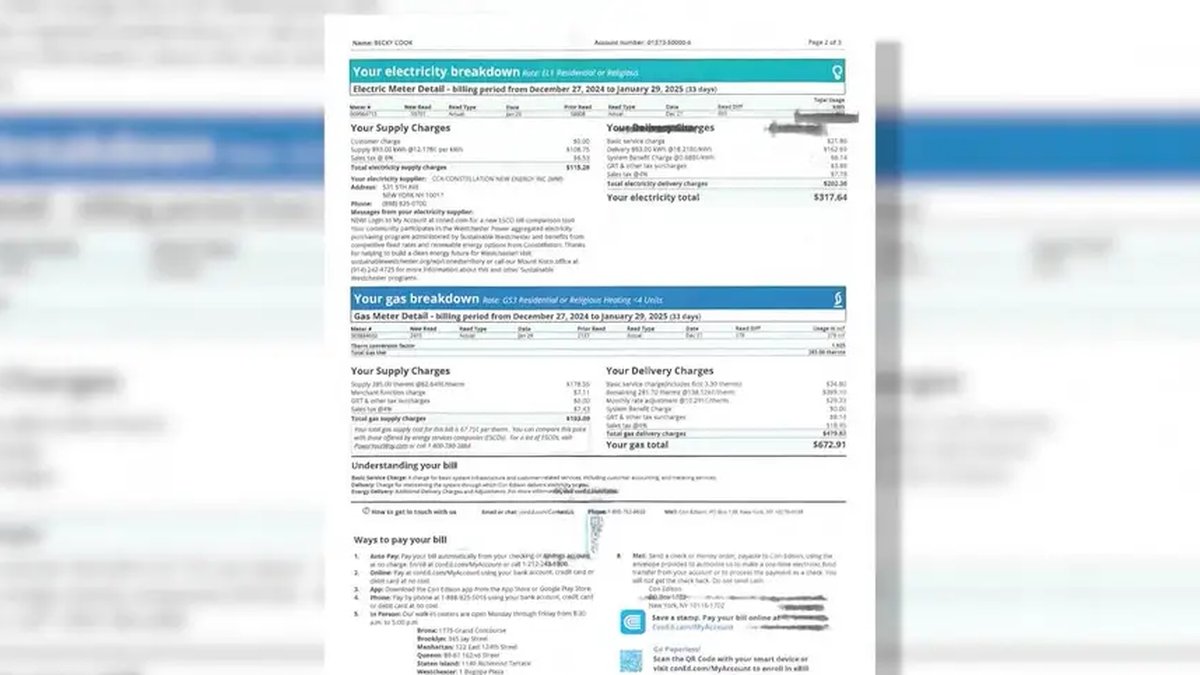
This is the simple version. Your electric bill has two main parts. Supply is the cost of making electricity. Delivery is the cost of moving it to your house. Supply is like the price of gas. Delivery is like the roads. You need both. But delivery charges are where the monopoly hides their rate hikes. The Time-of-Use Rate Comparator can help you see how delivery charges vary by time of day.
⏰
Time-of-Use Rate Comparator
Enter your hourly usage pattern — see whether a TOU plan saves or costs you money.
All data stays in your browser — we never see it.
In Texas, the supply market is deregulated. You can choose your electricity provider. You can shop for the lowest rate. The delivery market is not deregulated. It is a monopoly. Your local utility owns the wires. You cannot choose them. They set their own delivery rates. The Public Utility Commission approves them, but the process is slow and the public rarely notices. In 2025, Texas utilities requested $31 billion in rate hikes. Most of that was for delivery. Not supply. The money goes to grid hardening, wildfire prevention, and storm recovery. Some of it is necessary. Some of it is waste. The customer never knows. The Appliance Cost Calculator can help you reduce your delivery charges by using less energy.
📊
Appliance Cost Calculator
Estimate annual cost for each appliance — find your biggest energy hogs.
All data stays in your browser — we never see it.

Mark’s delivery charge jumped from 12¢/kWh to 35.9¢/kWh. That is a 200% increase. He did not see it coming because he was on autopay. He did not read his bill. He just paid. That equals what the monopoly counts on. Look at how to read your delivery charge. Look at your bill. Find the line that says “delivery” or “distribution” or “DUoS” (Distribution Use of System). It might be a flat fee per month. It might be a per-kWh charge. It might be both. In Texas, it is mostly per-kWh. The Smart Thermostat Savings Estimator can help you reduce your usage, which reduces your delivery charges. Mark’s new utility has a delivery charge of 8¢/kWh. His supply charge is 6¢/kWh. Total 14¢. His old utility had a delivery charge of 35.9¢ and a supply charge of 12¢. Total 47.9¢. He saved 33.9¢/kWh just by switching. That comes to not efficiency. That works out to competition. Let me break down the numbers. Mark uses 1,400 kWh a month. At his old rate, his delivery charge was $502. At his new rate, his delivery charge is $112. He saved $390 a month by switching. That means not efficiency. That is switching utilities. The Solar ROI Calculator is for solar, but it can show you how much delivery charge you avoid. Not everyone can switch. Some areas have only one utility. In Austin, I have Austin Energy. I cannot switch. I am stuck with the monopoly. But I can reduce my usage. Every kilowatt-hour I save reduces my delivery charge. That is why efficiency matters. Check out the infuriating part. Delivery charges are rising faster than inflation. In 2026, Austin Energy raised its delivery rate by 6%. The PUC approved it. Most customers did not notice. The increase was buried in the fine print. I noticed. I wrote a complaint. The PUC acknowledged it. Nothing changed. The Home Energy Score Calculator can help you see if your home is efficient enough to weather rate hikes. Here is your action plan for delivery charges. To startfind your delivery charge. Look at your bill. It is there. It might be called “delivery,” “distribution,” “DUoS,” or “transmission.” If you cannot find it, call your utility. Ask. They are required to tell you. Next upcompare your delivery charge to last year. If it went up, ask why. File a complaint with your state PUC. It takes twenty minutes. It might not change your bill, but it adds to the record. Thenif you can switch utilities, shop for a lower delivery charge. In Texas, the PowerToChoose website shows supply rates, not delivery. Delivery is the same for all providers in your area. But the delivery charge varies by utility service area. If you live near a border, you might have a choice. Mark did. Alsoreduce your usage. Every kilowatt-hour you save reduces your delivery charge. Insulate your attic. Seal your air leaks. Replace your old AC. Efficiency is the only defense against rising delivery rates. The monopoly wants you to ignore delivery charges. They want you to focus on the total bill. They want you to think you cannot do anything. Do not let them. Watt and Volt do not care about delivery charges. They care about the warm spot on the floor where the sun hits. My delivery charge went up 6%. My usage went down 15%. My net delivery charge went down 9%. I beat the monopoly. You can too.
Ryan Mitchell

Ryan Mitchell

Independent energy auditor in Austin, Texas. 600+ home audits. Solar homeowner since 2021. I build calculators that expose exactly where your money goes. Two cats named Watt and Volt.