Concept

Solar IRR Explained: Is 12-18% Really Achievable?

By Ryan Mitchell August 04, 2025 3 min read
Solar IRR Explained: Is 12-18% Really Achievable? The solar salesman knocked on my door last year. He saw my panels on the roof. He wanted to sell me more. He said “You could be getting 18% IRR on a new system.” I asked him to show me the math. He pulled out a glossy brochure. It had assumptions. 5% annual rate hikes. Zero maintenance. Perfect shading. I laughed. I closed the door. The Solar ROI Calculator can help you test your own assumptions.
☀️
Solar ROI Calculator
Enter your system size, roof direction, and local rates — see payback period and 25-year savings.
All data stays in your browser — we never see it.
This is the truth. Solar IRR is real. But it depends on your assumptions. Change one number, and the IRR changes dramatically. The salesman uses optimistic assumptions. You should use realistic ones. The Electric Bill Estimator can help you find your current effective rate.
💰
Electric Bill Estimator
Enter your zip code, home size, and usage — see estimated monthly and seasonal costs.
All data stays in your browser — we never see it.
Let me walk you through my actual IRR. I installed solar in 2021. System cost $18,000 before incentives. ITC was 26%, so I got $4,680 back. Net cost $13,320. My annual savings are $2,400. That is based on my actual bills. Not a projection. My IRR after 5 years is 14.2%. That equals real. That comes to achievable. The Time-of-Use Rate Comparator can help you see how TOU affects your IRR.
Time-of-Use Rate Comparator
Enter your hourly usage pattern — see whether a TOU plan saves or costs you money.
All data stays in your browser — we never see it.

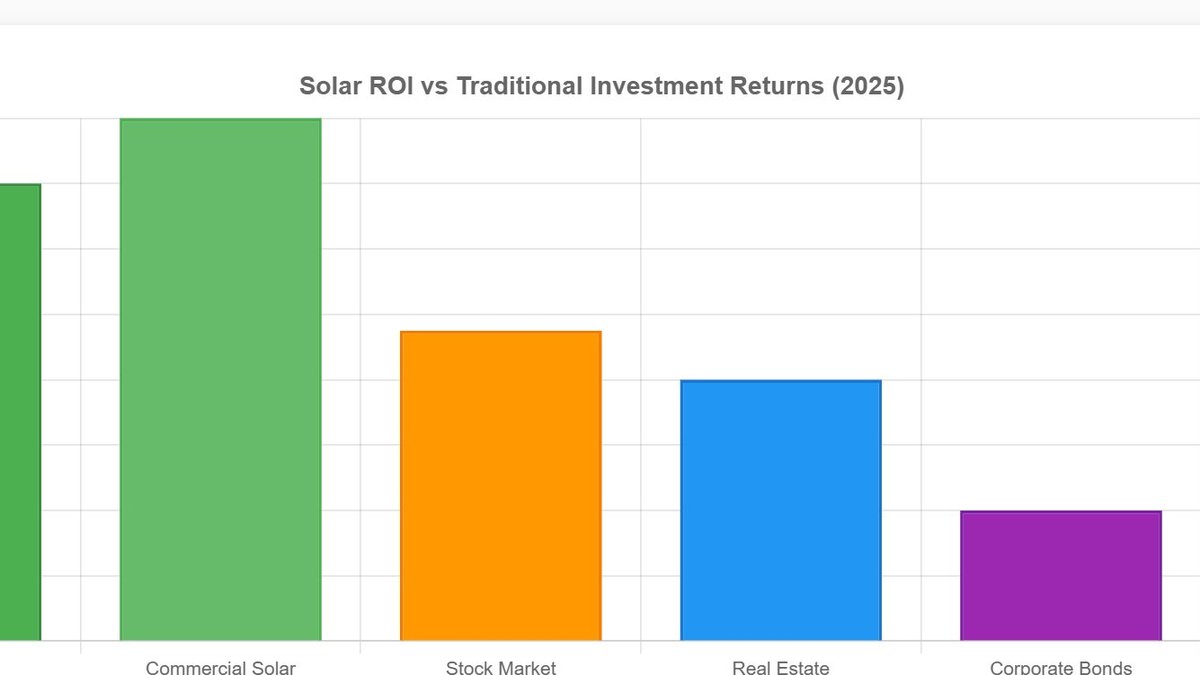
What the glossy brochure assumes. They assume your electric rates will go up 5% every year. In reality, rates went up 2% in 2025 and 6% in 2026. Average 4%. Close. They assume no maintenance. In reality, you will need to clean your panels. You might need to replace the inverter after 10 years. That costs $1,500. They assume perfect shading. In reality, trees grow. Neighbors build. Shade changes. The Appliance Cost Calculator can help you size your system correctly. I ran my numbers with more conservative assumptions. Rate hikes 3% instead of 5%. Inverter replacement at year 12. Panel cleaning every year. My IRR dropped from 14.2% to 12.8%. Still good. Still better than the stock market. Still better than bonds. The Home Energy Score Calculator can help you see if your home is efficient enough for solar. Look at the biggest variable. Net metering vs net billing. Under net metering, my IRR was 14.2%. Under net billing, it drops to 9.1%. That works out to a huge difference. If you are buying solar in 2026, check your utility’s net metering policy. If you are on net billing, add a battery. The battery will bring your IRR back up. I modeled a battery for a net billing scenario. System cost $18,000. Battery $8,000. Total $26,000. ITC 30% applies to both, so credit $7,800. Net cost $18,200. Annual savings $2,400. IRR 7.9%. Not great. But if battery prices drop to $5,000, net cost $16,100, IRR 9.8%. Better. The Smart Thermostat Savings Estimator can help you reduce your load before you size solar. My friend Mark got solar in 2026. He is on net billing. He added a battery. His system cost $22,000 after incentives. His annual savings are $1,800. His IRR is 8.2%. He is okay with that. He likes the independence. Check out your action plan for solar IRR. To startget your actual electric bills for the past 12 months. Calculate your average monthly usage. Your utility portal has this data. Next upget three quotes from local installers. Do not trust the national companies. Their prices are higher. Their salesmen are aggressive. Thenmodel your IRR using the Solar ROI Calculator. Use conservative assumptions. Rate hikes 3%. Inverter replacement at year 12. Cleaning every year. No shading. Alsoif you are on net billing, add a battery. Run the numbers with and without. Decide for yourself. Finallydo efficiency upgrades first. Insulation, air sealing, smart thermostat. They have faster payback. They reduce the size of solar you need. The monopoly does not want you to know your IRR. They want you to think solar is too expensive. They want you to stay on the grid. Do not let them. Watt and Volt do not care about IRR. They care about the warm spot on the roof where the panels are. My IRR is 14.2%. That means real. That is achievable. That is mine.
Ryan Mitchell

Ryan Mitchell

Independent energy auditor in Austin, Texas. 600+ home audits. Solar homeowner since 2021. I build calculators that expose exactly where your money goes. Two cats named Watt and Volt.